


James Bond cars in new book RIDE: The Most Iconic Wheels of the Silver Screen
BROWSE BY: FILM | ACTOR | PRODUCT | NO TIME TO DIE | BOND 26 | GIFT GUIDE
When you purchase through links on this site, we may earn an affiliate commission. Read more.
Advertisement

A new book pays tribute to the cars that made movie history, including two James Bond cars.
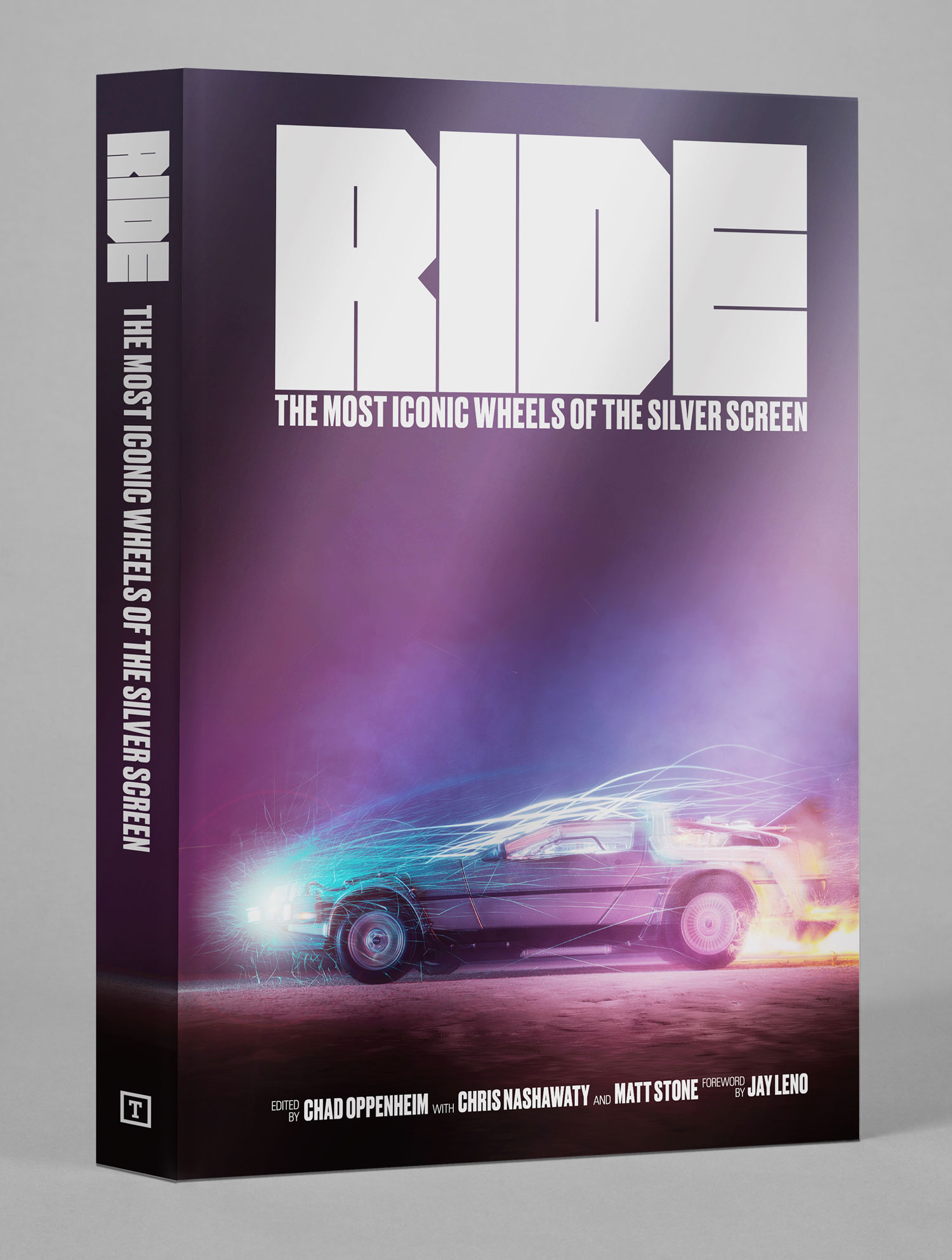
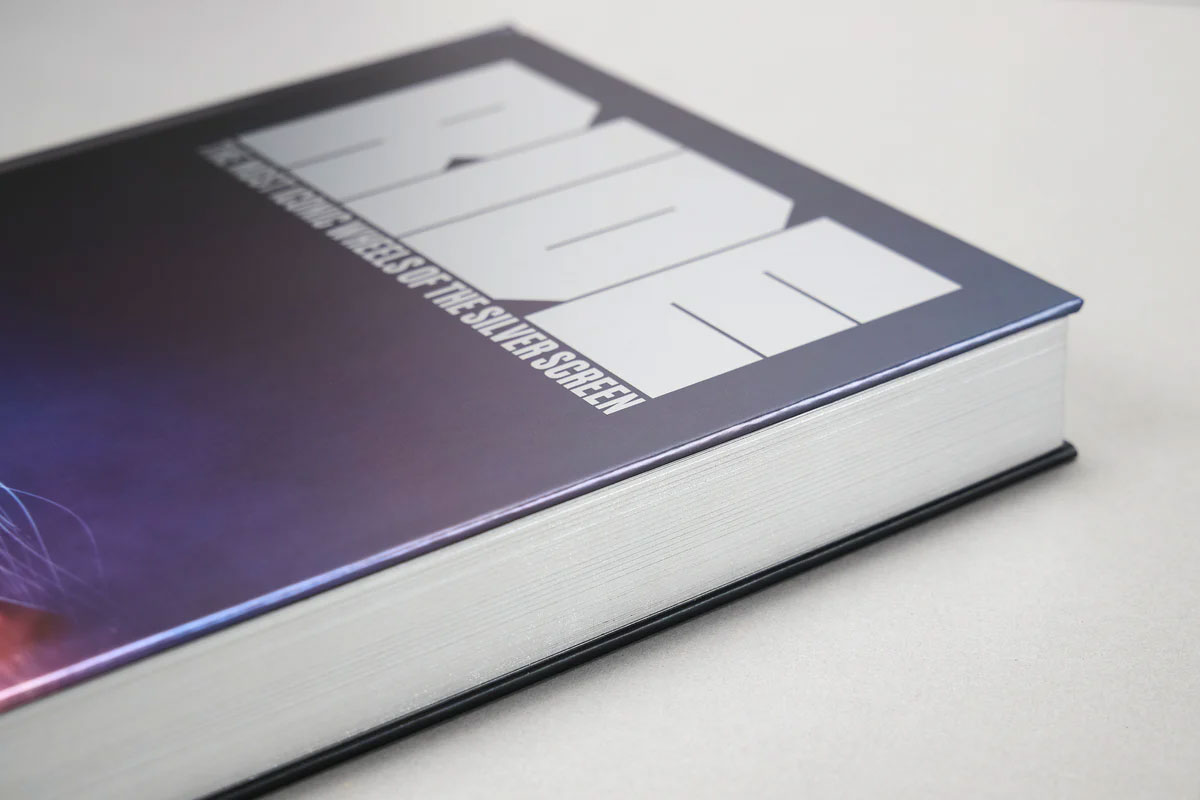
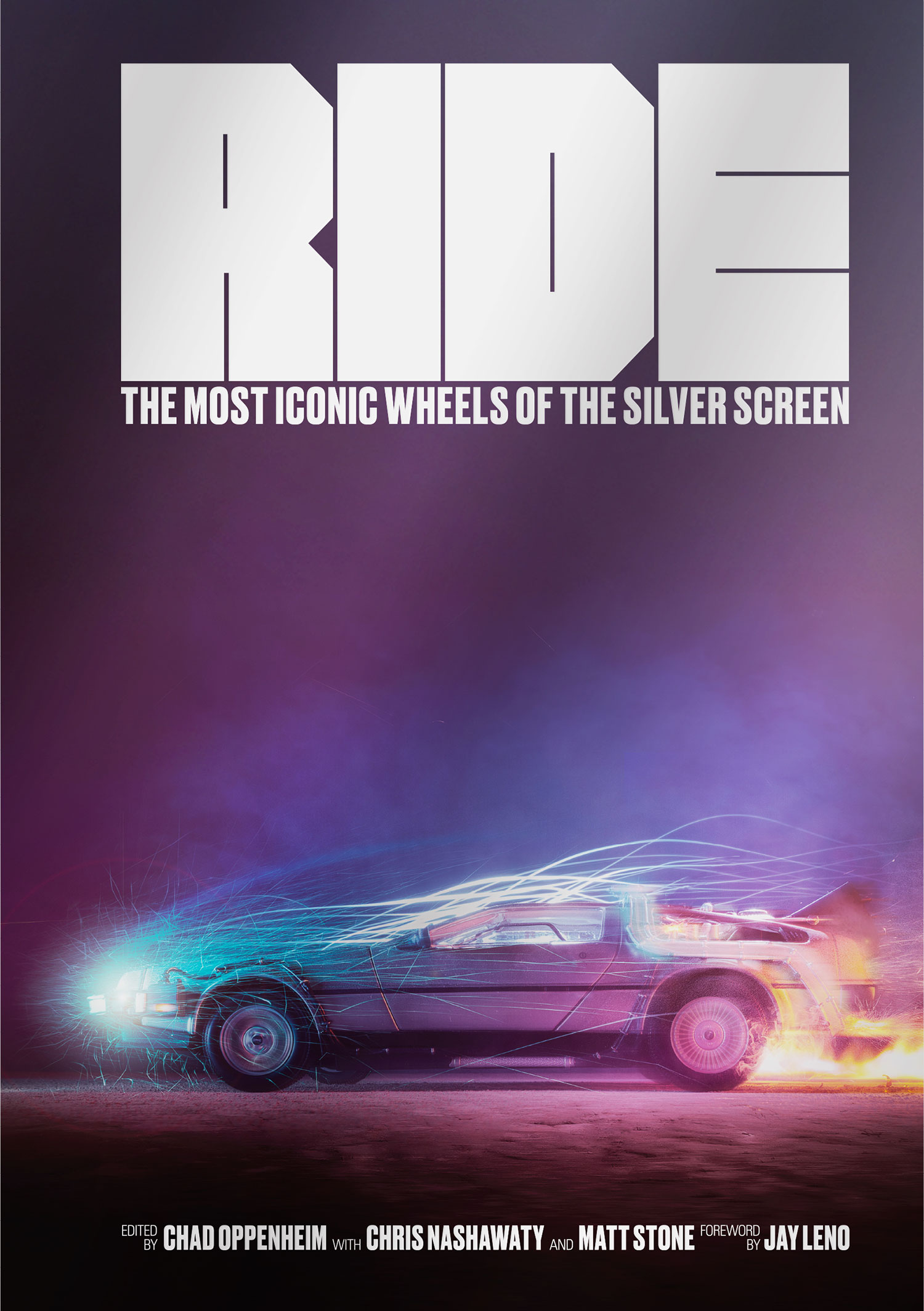
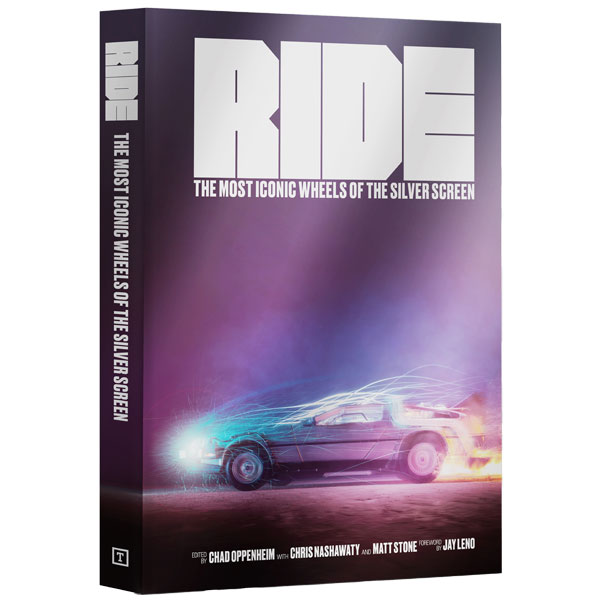
Whether roaring through chase scenes, stealing the show in quiet cinematic moments, or becoming the defining image of an era, cars have long been the unsung heroes of the silver screen. Now, in RIDE: The Most Iconic Wheels of the Silver Screen (Tra Publishing, November 18, 2025), these vehicles finally get the spotlight they deserve.
Part art book, part film history, RIDE is a lush, visually driven tribute to the most memorable vehicles ever to grace the big screen. With a foreword by late-night legend and car connoisseur Jay Leno, and over four hundred dazzling images, the book is a must-have for film buffs, car lovers, and design enthusiasts alike.
RIDE explores the cultural impact and creative process behind more than thirty-five legendary film vehicles- from cult classics to blockbusters.

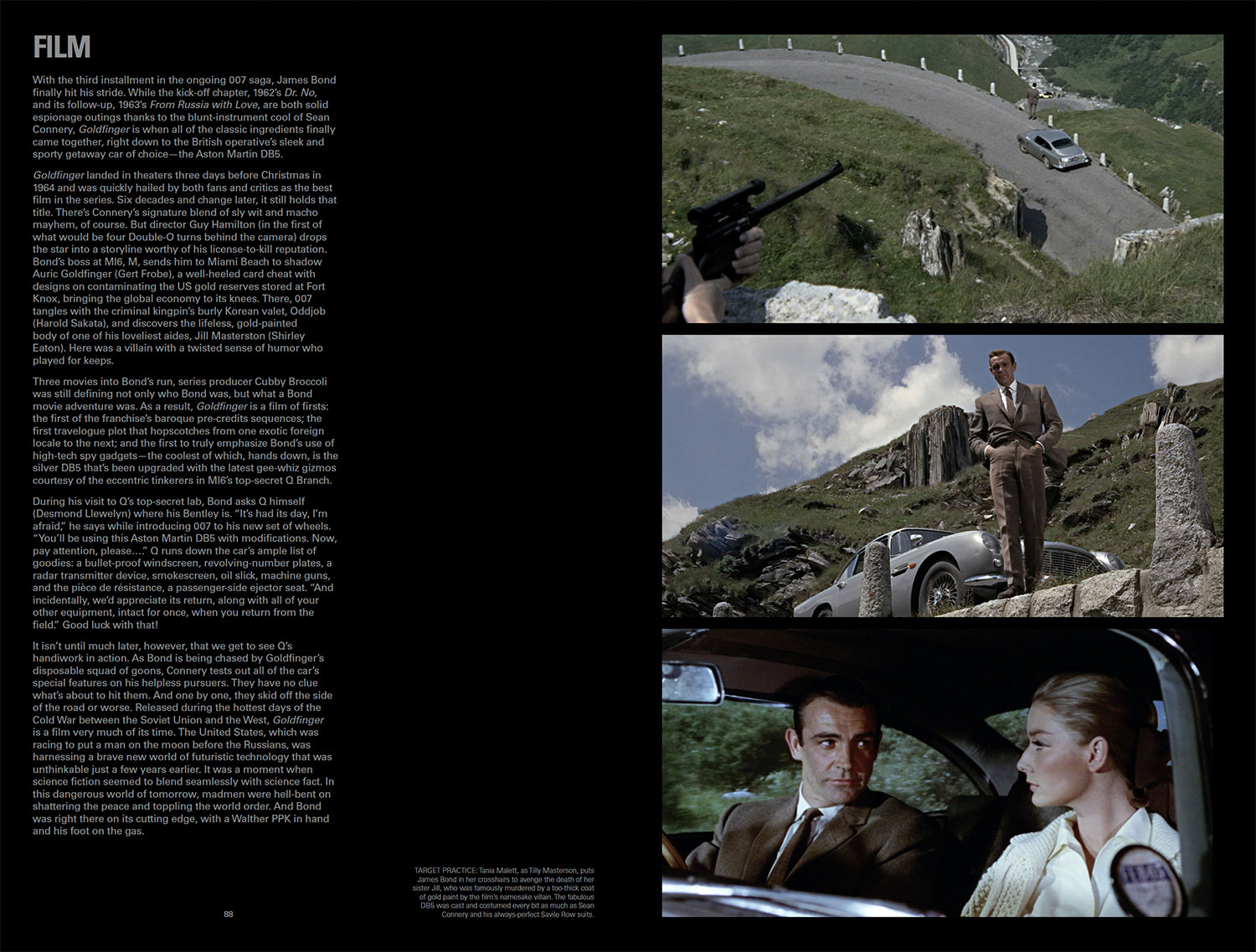
Naturally, this includes cars from the James Bond film series: the 1963 Aston Martin DB5 from Goldfinger, Toyota 2000 GT from You Only Live Twice and the 1977 Lotus Esprit from The Spy Who Loved Me.
Order now at Tra Publishing for $65 (get 10% off if you use this link - discount applied in cart).

A complete list of all cars featured in the book:
1968 Mustang GT 390 – Bullitt
Ferrari 315 S – Ferrari
Lamborghini Countach LP 400S – The Cannonball Run
1970 Dodge Charger R/T – The Fast and the Furious
Lightning McQueen – Cars
1963 Aston Martin DB5 – Goldfinger
1977 Lotus Esprit – The Spy Who Loved Me
1972 Ford Gran Torino Sport – Gran Torino
Porsche 964 Turbo – Bad Boys
The Tumbler – The Dark Knight
1970 Dodge Challenger R/T 440 – Vanishing Point
1966 Ford Thunderbird – Thelma & Louise
1973 & 1977 Pontiac Firebird Trans Am – Smokey and the Bandit
1970 Chevrolet Nova – Death Proof
Harley-Davidson – Easy Rider
1958 Plymouth Fury – Christine
Dodge M4S Turbo Interceptor – The Wraith
Paragon Panther – Chitty Chitty Bang Bang
1963 Volkswagen Beetle – The Love Bug
1981 DeLorean DMC-12 – Back to the Future
Light Cycle – Tron: Legacy
The Spinner – Blade Runner
1965 Lincoln Continental – The Matrix
Bumblebee (Chevrolet Camaro) – Transformers
The V-8 Interceptor – Mad Max
1959 Cadillac Miller-Meteor – Ghostbusters
1976 GMC Motorhome – Stripes
1978 Porsche 928 – Risky Business
1961 Ferrari 250 GT California Spyder – Ferris Bueller’s Day Off
1979 Ford LTD Country Squire – National Lampoon’s Vacation
1974 Dodge Monaco – The Blues Brothers
1963 Chevrolet Impala – Boyz n the Hood
1955 Chevrolet 210 – American Graffiti
1948 Ford De Luxe Convertible – Grease
Each chapter explores the origin story of the car in its cinematic role—how it was chosen, modified, and immortalized—featuring insights from filmmakers, prop designers, collectors, and automotive experts.
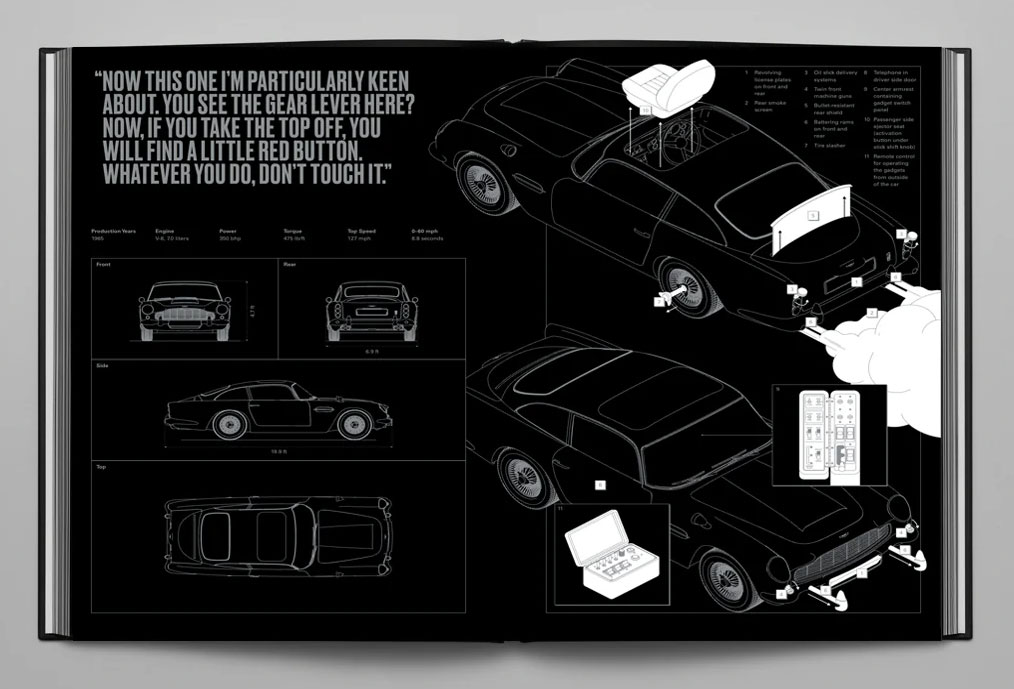
The book also highlights legendary chase scenes that have become benchmarks in cinematic history, including the epic, tire-screeching showdown through the streets of San Francisco in Bullitt; the black Porsche 964 Turbo 3.6's pulse-pounding stunts in Bad Boys; and the unforgettable cat-and-mouse antics of the 1977 Pontiac Trans Am in Smokey and the Bandit.
More Than Metal: Where Film, Design, and Culture Intersect
RIDE is more than a book about cars—it’s a book about meaning. Why did Bond need a silver Aston Martin? What made the DeLorean the perfect vehicle for time travel? How did Mad Max’s Interceptor come to represent a post-apocalyptic worldview? With rich commentary and thoughtful essays, the book reveals how these machines became narrative devices, cultural symbols, and even fashion statements.
The design-forward layout echoes the spirit of each featured vehicle, from sleek and stylish to bold and brutal, making the book a visual experience as much as a storytelling one. For design and engineering enthusiasts, the book also includes original schematics and detailed drawings of several standout vehicles, such as The Tumbler from The Dark Knight, and the amphibious 1977 Lotus Esprit from The Spy Who Loved Me.
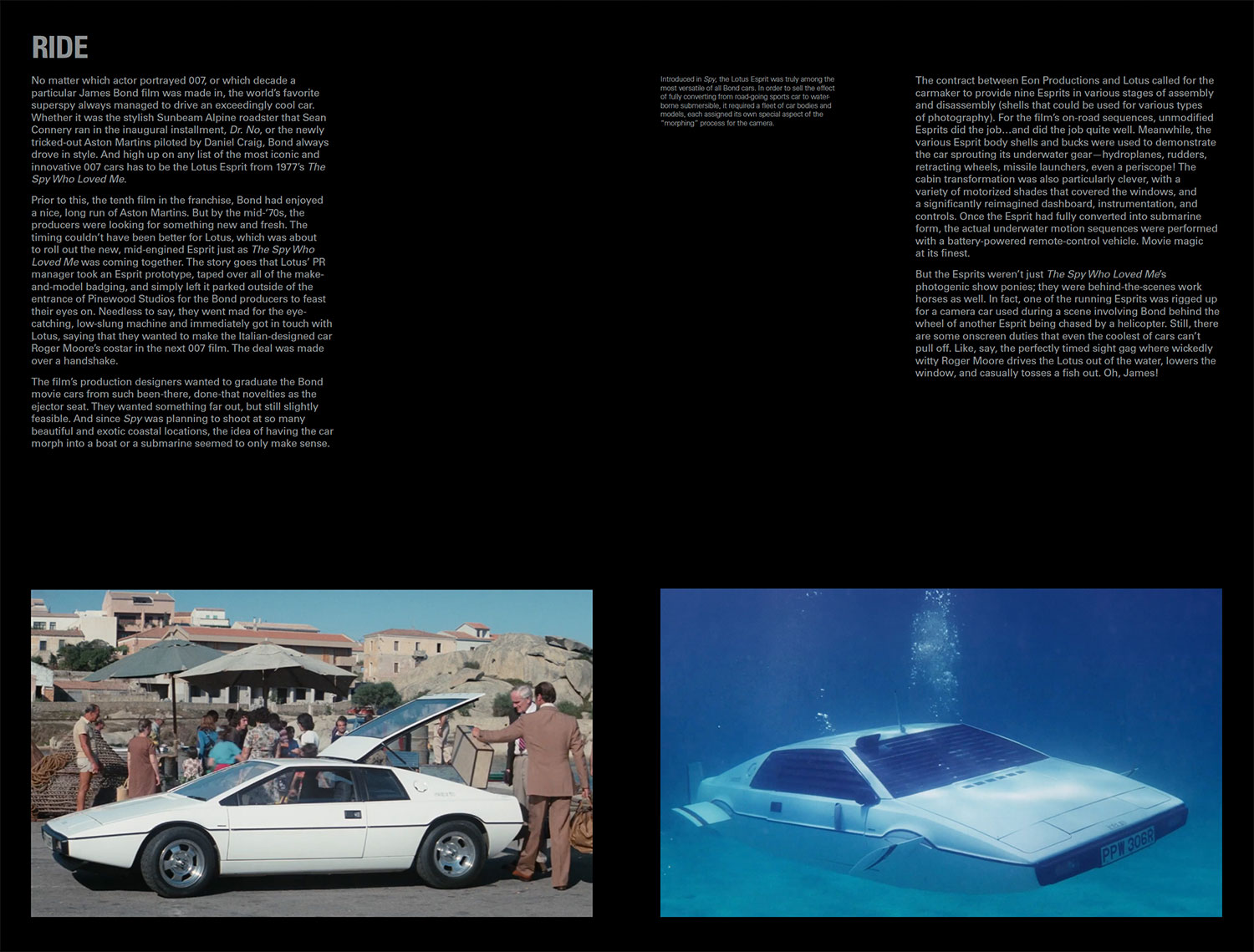
These behind-the-scenes blueprints showcase the incredible craftsmanship and imaginative thinking that go into creating movie cars that are as iconic as the films themselves.
Says Chad Oppenheim, author and renowned architect, “The most memorable film vehicles are more than props—they're masterworks of design innovation. They're built with intention, tailored to their cinematic worlds, and engineered to evoke an emotional response the moment they appear on screen.”
From the Garage to the Screen: A Behind-the-Scenes Look
Through exclusive interviews with directors, designers, stunt coordinators, and prop builders, RIDE pulls back the curtain on how movie cars are brought to life. Readers will gain access to the creative decisions that make each vehicle unforgettable—from practical effects and camera angles to custom builds and CGI-enhanced stunts.
Among the contributors are Michael Bay, blockbuster director known for the Transformers franchise; Stephen King, master of horror and author of Christine; and Jeff Gordon, NASCAR legend and stunt driving consultant. Their firsthand insights illuminate the crossover between storytelling, spectacle, and speed—and the enduring power of a well-designed machine in motion.
"This is a book for anyone who ever pointed at a screen and said, ‘That car!’” says Matt Stone, automotive journalist and co-author of the book. “These vehicles represent moments in film where design, emotion, and culture collide.”
About the Authors
Chad Oppenheim is an internationally renowned architect celebrated for his ability to merge architecture with the natural environment. A Fellow of the American Institute of Architects, he founded Oppenheim Architecture in 1999, with studios in Miami and Basel. In addition to his built works, Oppenheim has contributed to architectural discourse through publications such as LAIR: Radical Homes and Hideouts of Movie Villains, which explores the intersection of film and architecture, revealing his fascination with the narrative potential of design.
Oppenheim’s scholarly influence extends to his lectures and teaching, including at Harvard University’s Graduate School of Design, where he has shared his vision for architecture that transcends aesthetics to foster a profound connection between people and their surroundings. His work continues to shape contemporary architectural thought, focusing on designs that are silent yet powerful, enduring yet attuned to their time.
Chris Nashawaty is a writer, editor, and film critic. He was on staff at Entertainment Weekly magazine from 1993 to 2019 and regularly writes about entertainment, pop culture, sports, and business for such publications as Esquire, Vanity Fair, Inc., Sports Illustrated, Wired, Fast Company, and The Hollywood Reporter.
He is also the author of three books about film and film history, including The Future Was Now: Madmen, Mavericks, and The Epic Sci-Fi Summer of 1982 (2024), Caddyshack: The Making of a Hollywood Cinderella Story (2018), and Crab Monsters, Teenage Cavemen, and Candy Stripe Nurses: Roger Corman, King of the B-Movie (2013). He was a contributing editor on LAIR: Radical Homes and Hideouts of Movie Villains (2019)
Matt Stone is a freelance journalist, author, radio and television broadcaster, and former editor of Motor Trend Classic magazine. He has also been an international Concours Judge and automotive event emcee since 1990. His specialties are automotive history and design, and he has written, photographed, and published seventeen automotive book titles.
Stone is a Chief Class Judge at the Pebble Beach Concours d'Elegance, a judge at the Amelia Island Concours d'Elegance, and officiates and emcees at other first-tier shows and events. He has served as Officer, Board of Directors member, and President of the Motor Press Guild (MPG) trade association.
About the Publisher
Tra Publishing, based in Miami, is an independent publisher known for creating visually striking books on art, architecture, design, and culture. With RIDE, Tra continues its mission to craft beautiful, meaningful books that celebrate the intersection of creativity and storytelling.
LAIR: Radical Homes and Hideouts of Movie Villains
You might know the company from their book LAIR: Radical Homes and Hideouts of Movie Villains which was released in 2019 and featured several James Bond villain lairs.
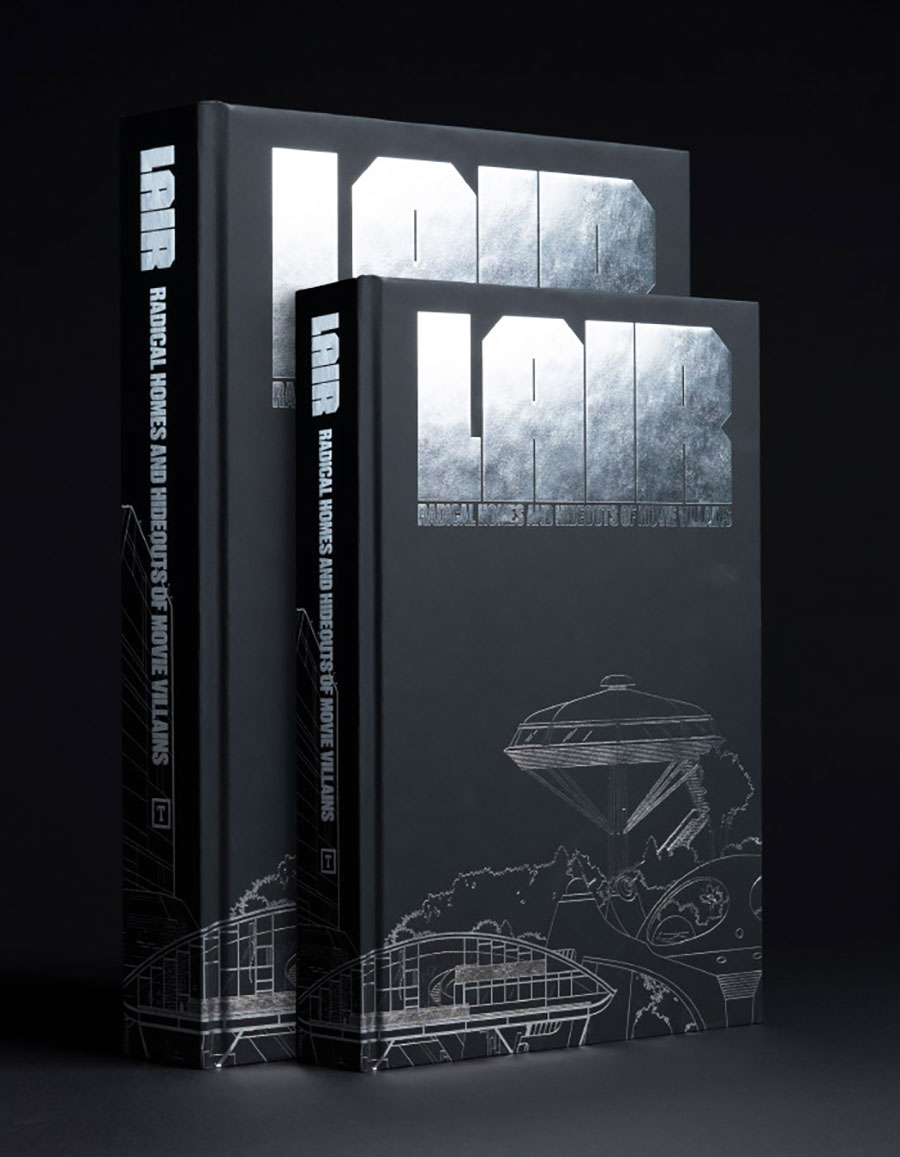
The LAIR book is a large, heavy book with beautiful silver foil print on matte black paper. LAIR is now also available as a smaller and more affordable Trade Edition.
Order LAIR at Tra Publishing for $75 (get 10% off if you use this link).
Order LAIR Trade Edition at Tra Publishing for $27 (get 10% off if you use this link).
More News
Related Pages



Add new comment
NO TIME TO DIE

SPECTRE





SKYFALL

RECENT UPDATES
- 1
- 2
- 3
- 4
- 5